

Important Facts About Stem Cells
The Promise and Challenges of Stem Cell Research
Stem cells have captured the attention of both the scientific community and the public for their remarkable potential in medicine. These unique cells are unlike ordinary cells because they have the ability to develop into different cell types in the body. They can divide and renew themselves over long periods, making them essential for growth, repair, and regeneration. Found in various sources such as embryos, bone marrow, and even certain adult tissues, stem cell mexico plays a vital role in maintaining healthy bodily functions. Their versatility has opened doors to new treatments for diseases and injuries that were once considered untreatable.
One of the most fascinating aspects of stem cells is their ability to adapt. Depending on their origin, they can transform into muscle cells, nerve cells, blood cells, or other specialized types. This capability has led researchers to explore ways of using them to replace damaged tissues, heal wounds, and restore functions lost to illness or injury. Advances in stem cell research have already contributed to breakthroughs in treating blood disorders, certain cancers, and degenerative conditions. While much progress has been made, ongoing studies continue to uncover new possibilities and refine the methods used to safely harness their potential.
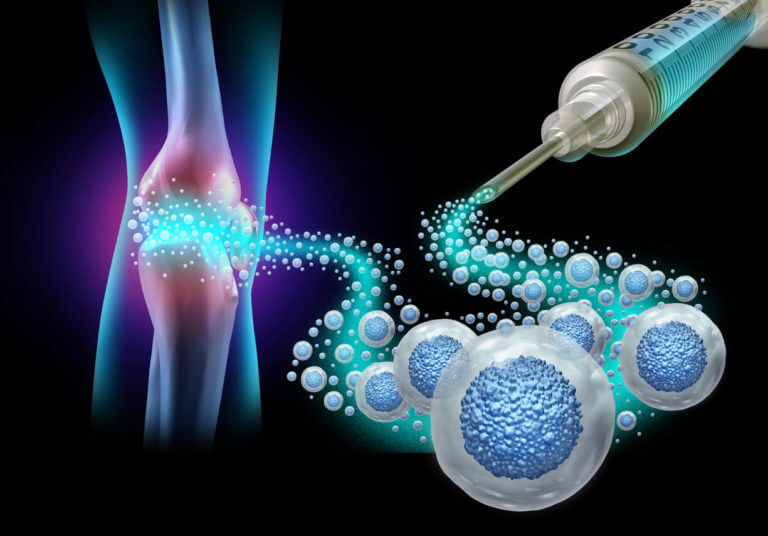
The excitement surrounding stem cells comes from the hope they bring to regenerative medicine. For patients facing chronic illnesses or life-altering injuries, stem cell therapies may offer solutions where traditional treatments have failed. Scientists are also exploring how these cells can be used to test new drugs more effectively, reducing the need for animal testing and accelerating the development of safe, targeted medications. The scope of what stem cells might achieve is vast, from repairing spinal cord injuries to restoring vision and even regenerating entire organs in the future.
However, the journey is not without challenges. Ethical considerations, particularly with embryonic stem cells, have sparked debate and influenced regulations around the world. Additionally, while some treatments have shown great promise, others remain in experimental stages and require more research to confirm their safety and effectiveness. Public awareness and accurate information are crucial to ensure that expectations are realistic and that potential patients can make informed decisions.
Stem cell science is advancing rapidly, and each year brings new discoveries that expand our understanding of these extraordinary cells. While there is still much to learn, their potential to transform medicine is undeniable. As research continues, the focus will be on refining techniques, ensuring safety, and exploring new applications that could change the way many conditions are treated.
Recognizing the importance of stem cells means appreciating both the promise they hold and the careful work required to bring that promise to reality. Their story is one of science, hope, and the pursuit of better health for generations to come.
…