

Understanding Common Truck Shifting Issues Before Major Repairs Develop
The Ford F-150 has remained one of the most popular full-size trucks for years because of its strength, versatility, towing capability, and everyday reliability. Many drivers depend on these trucks for demanding workloads, long-distance travel, construction jobs, and daily commuting. Like any heavily used vehicle, however, the transmission system can eventually develop problems that affect performance and drivability. Catching early warning signs before they become severe is extremely important because transmission repairs are often among the most expensive automotive issues a truck owner may face. Understanding Ford F-150 Transmission Problems early can help prevent major mechanical failures.
Transmission problems usually begin with smaller symptoms that gradually become more noticeable over time. Some drivers experience delayed shifting when accelerating, while others notice hard gear changes, slipping between gears, hesitation during movement, or sudden jerking while driving. In certain situations, the truck may struggle to maintain proper power delivery, especially while towing heavy loads or climbing steep roads. These signs are often easy to dismiss at first, particularly if they appear inconsistently, but they can indicate growing internal wear that should not be ignored.
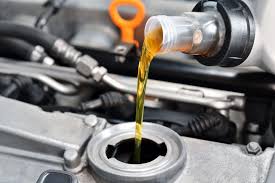
Modern F-150 transmissions rely on advanced electronic controls, sensors, fluid pressure systems, and software programming to deliver smooth shifting and efficient performance. When one part of the system begins malfunctioning, it can affect overall transmission behavior in ways drivers immediately notice behind the wheel. Low or contaminated transmission fluid is one of the more common causes of shifting issues because fluid plays a major role in lubrication, cooling, and hydraulic pressure inside the system. Leaks, overheating, or neglected maintenance can all contribute to faster wear on transmission components.
Another warning sign many drivers encounter is unusual noises during shifting or acceleration. Grinding sounds, whining, clunking, or vibrations while changing gears may suggest internal damage developing inside the transmission. Dashboard warning lights and reduced fuel efficiency can also appear when transmission systems are struggling to operate correctly. In some cases, the truck may even enter a protective driving mode that limits performance in order to prevent further damage.
Professional diagnostics are important because transmission symptoms can sometimes resemble engine or drivetrain issues. Technicians use advanced scanning equipment and inspections to determine whether problems are related to sensors, software, fluid condition, or internal mechanical wear. Identifying issues early often creates more repair options and may help prevent a complete transmission failure that requires extensive rebuilding or replacement.
Routine maintenance also plays a major role in keeping the F-150 transmission operating properly over time. Regular fluid inspections, transmission services, cooling system maintenance, and prompt attention to unusual driving behavior all help reduce long-term wear. Trucks that frequently tow trailers or carry heavy payloads may place additional stress on transmission systems, making preventative care even more important.
For many owners, the Ford F-150 is an essential part of work and daily life, so maintaining dependable performance matters. Paying attention to early transmission warning signs helps drivers avoid unexpected breakdowns, expensive repairs, and unnecessary downtime. Addressing problems early can help keep the truck running smoothly, safely, and reliably for years of continued use.