

Targeted Solutions for Mechanical Rooms, Ductwork, and Production Lines
When it comes to mold remediation, the stakes are significantly higher in environments where mechanical systems, air distribution, or industrial operations are involved. These aren’t typical spaces—they’re mission-critical areas where mold growth can mean more than a cosmetic issue. In mechanical rooms, ductwork, and active production lines, the presence of mold signals a deeper problem that, if left unaddressed, can compromise equipment function, air quality, and even regulatory compliance. Effective Mold Remediation in these high-risk zones requires a specialized, strategic approach that prioritizes safety, containment, and continuity of operations.
Mechanical rooms are often dark, humid, and filled with heat-generating equipment—an ideal breeding ground for mold. But because these rooms often house vital HVAC, water, or electrical systems, any remediation work must be executed with extreme care. Teams must balance thorough removal with system integrity, ensuring that the cleanup process doesn’t interrupt building performance. That’s why advanced containment methods, negative air pressure, and HEPA filtration are key to preventing cross-contamination. Professionals who understand the nuances of these spaces know how to isolate the problem and eliminate it without triggering downtime or risk to surrounding systems.
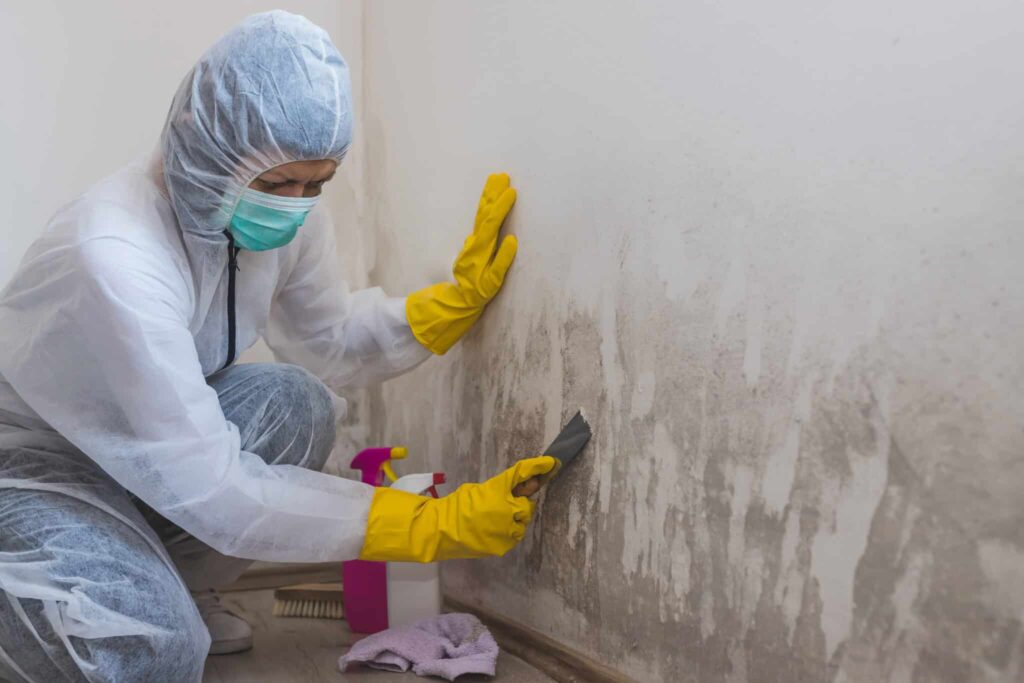
Ductwork poses its own challenges. Once mold makes its way into a ventilation system, it doesn’t just stay put—it travels. Spores can spread throughout an entire facility, making localized outbreaks feel more like widespread threats. Cleaning and treating duct interiors requires both precision and expertise, especially in large commercial or industrial buildings where airflow is continuous. It’s not simply a matter of spraying a solution and walking away. The process involves removing debris, neutralizing biological growth, and restoring air quality without introducing further contaminants into the environment.
Production lines and manufacturing spaces add another layer of complexity. Here, mold can affect both product quality and worker safety. High humidity, condensation, and organic materials create conditions where mold can thrive, even in areas thought to be under control. Remediation in these settings demands tight coordination with operations teams, so that cleaning can occur during planned downtimes or in segmented phases. The priority is clear: remove the hazard without halting productivity. When handled correctly, the process is invisible to customers and minimally disruptive to staff.
Mold remediation in high-risk environments isn’t just about cleaning up a mess—it’s about protecting infrastructure, people, and performance. These jobs call for a higher standard of expertise, strict adherence to safety protocols, and a commitment to precision. In spaces where failure isn’t an option, trusted remediation professionals provide peace of mind and a path forward, ensuring critical systems stay clean, compliant, and fully operational.